Phrases

Talking About the Past and Future in Romanian

How to tell a simple story about yesterday and share plans for tomorrow in Romanian, with natural connectors and pronunciation for every phrase.

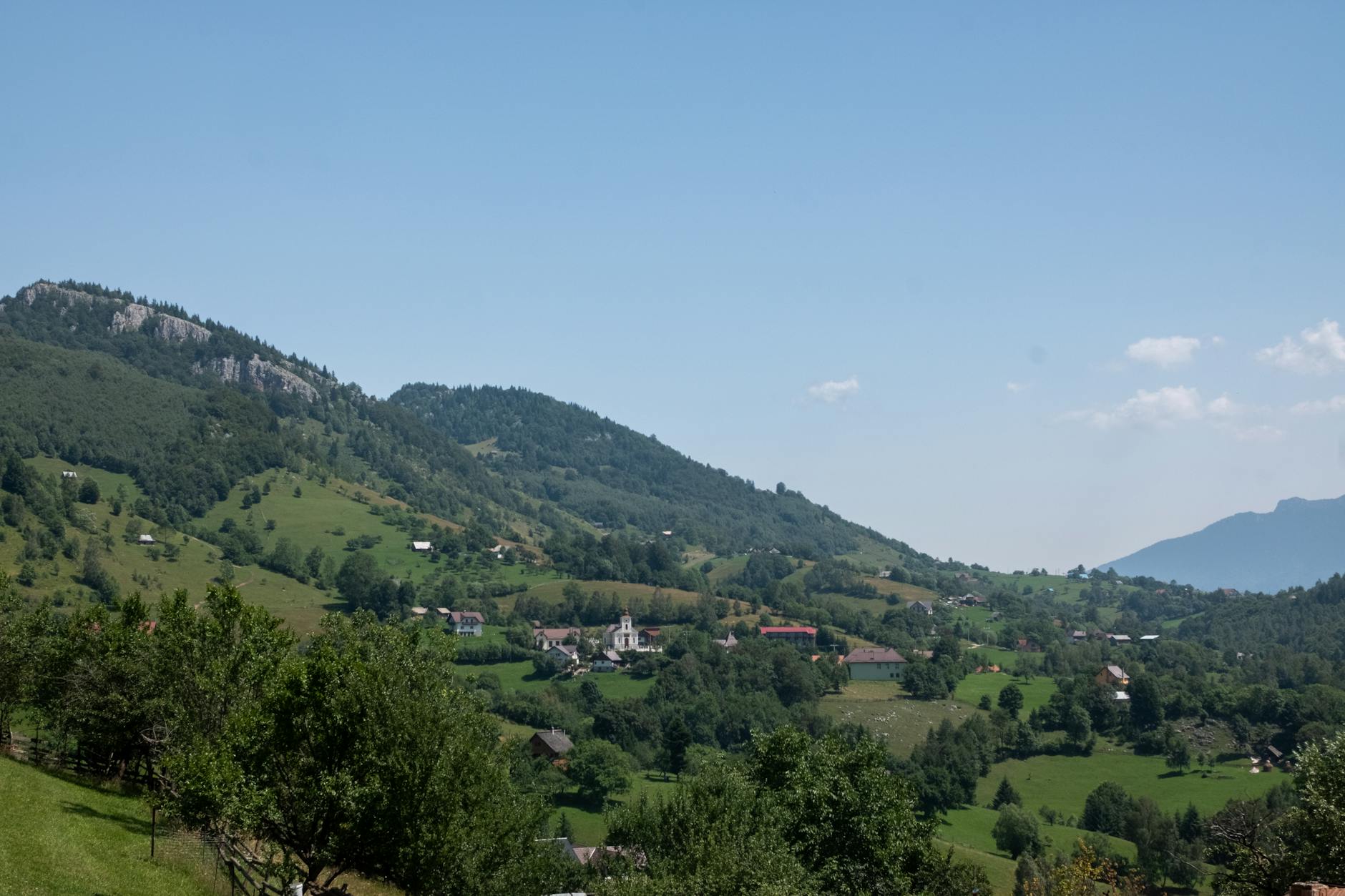
A quiet Romanian village road stretching into the distance

The moment you can talk about yesterday and tomorrow, your Romanian stops feeling frozen in the present. You don't need every tense to do this. A small kit of past forms, future forms, and connecting words lets you tell a story and share a plan.

How do you tell a story about the past?

Romanian builds the past with a helper plus a past form. You'll hear “am mers,” “am făcut,” “am terminat,” and so on. Here it is in motion.

După ce am terminat cina, am mers la plimbare.DOO-puh cheh ahm tehr-mee-NAHT CHEE-nah, ahm mehrs lah pleem-BAH-rehAfter we finished dinner, we went for a walk.
Deși eram obosiți, am decis să continuăm.deh-SHEE eh-RAHM oh-boh-SEETS, ahm deh-CHEES suh con-tee-noo-UHMAlthough we were tired, we decided to continue.
Mi-am amintit o întâmplare amuzantă.myahm ah-meen-TEET oh uhn-tuhm-PLAH-reh ah-moo-ZAHN-tuhI remembered a funny incident.

The connectors that make a story flow

These little words are what separate a list of facts from an actual story. Sprinkle them in.

deșideh-SHEEalthough / even though
de faptdeh fahptactually / in fact
totușitoh-TOO-sheehowever / nevertheless
în cele din urmăuhn CHEH-leh deen OOR-muhin the end / finally

How do you talk about plans?

For the future, the easy spoken form is “o să” plus a verb. For wishes and hopes, reach for “vreau să” and “sper să.”

Ce planuri ai pentru viitor?cheh PLAH-noor ay PEN-troo vee-ee-TOR?What plans do you have for the future?
O să continui să exersez în fiecare zi.oh suh con-TEE-noo suh ek-sehr-SEZ uhn fee-EH-kah-reh zeeI will continue to practice every day.
Sper să pot vizita România vara aceasta.spehr suh pot vee-zee-TAH roh-MUH-nee-ah VAH-rah ah-CHYAH-stahI hope to be able to visit Romania this summer.

Time words to anchor it all

A couple of time markers make clear whether you're looking back or ahead.

anul viitorAH-nool vee-ee-TORnext year
săptămâna viitoaresuhp-tuh-MUH-nah vee-ee-TWAH-rehnext week

Why the spoken future is easier than it looks

Textbooks often teach a more formal future with “voi,” “vei,” and similar forms. You'll meet it eventually, but in everyday speech Romanians lean heavily on “o să” plus a verb, which stays the same no matter who's speaking. That means you can express almost any plan with one easy pattern: “o să” and then the action. Save the formal future for later. The spoken one will carry your conversations now, and you'll pick up the rest by hearing it.

Pair a past form like “am mers” with a connector like “deși,” and you've already told a real story. That's the whole trick.

Don't wait until you've mastered the grammar to try these. Say a true sentence about your own day, past or future, and you'll remember the pattern far better than from a table.

The Learn Romanian app walks you through these forms with native audio and short spoken practice, and it all works offline, so you can tell tomorrow's story on today's commute. The first 30 days are free.

Put it into practice

Learn Romanian turns guides like this into daily speaking practice — native audio, offline, free for 30 days.

Start learning free

Frequently asked questions

How do you talk about the past in Romanian?

Romanian uses a compound past tense, where a helper verb pairs with a past form, as in “am mers” (I went) or “am făcut” (I did/made). You can tell a basic story by stringing these together with connectors like “după ce” (after).

How do you talk about plans in Romanian?

A common everyday future uses “o să” plus a verb, like “o să continui” (I will continue). For wishes, “vreau să...” means “I want to...” and “sper să...” means “I hope to...”

What is a useful connector for telling stories in Romanian?

Words like “deși” (although), “totuși” (however), and “de fapt” (actually) link your sentences and make a story flow. They are small but do a lot of work in conversation.